September 21, 2026
History of Agarwood Nail Induction in Sujanagar, Barlekha | Jamali Fragrance
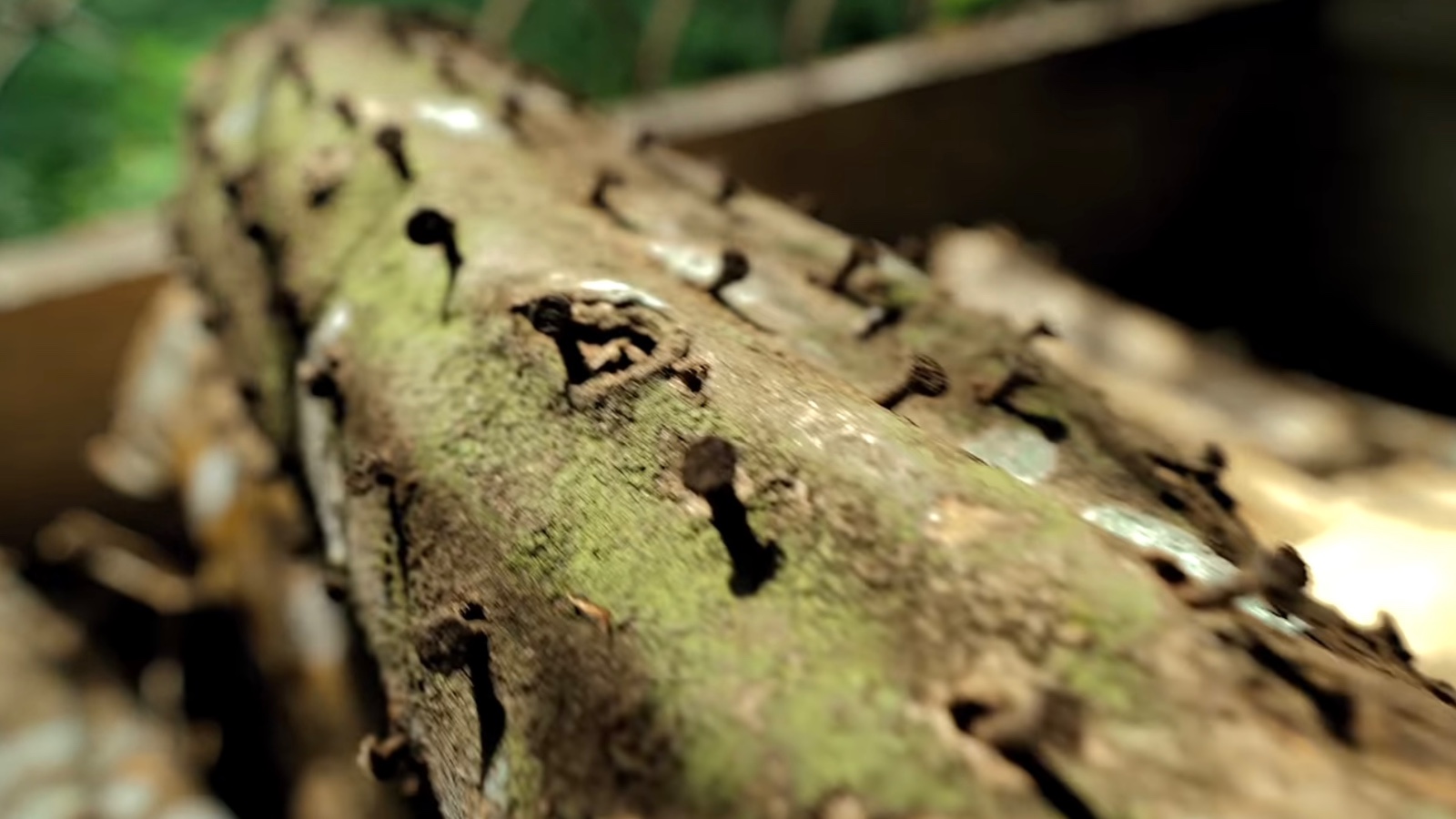
The Story Behind Nailing Agarwood Trees: A Local Tradition from Sujanagar, Barlekha, Bangladesh
How a simple clothesline may have inspired one of the most recognised practices in Sylheti agarwood cultivation.
A Story That Began with Two Agarwood Trees
Have you ever wondered why people insert nails into agarwood trees?
The story we have heard from the local community takes us back to the 1980s or the early 1990s, in Sujanagar, Barlekha, Sylhet, Bangladesh.
According to a locally shared story, a household in Sujanagar used two agarwood trees to support a rope for hanging wet clothes. Both ends of the rope were attached to the trees using metal nails.
At that time, nobody could have imagined that this ordinary household arrangement might lead to an interesting discovery in the world of agarwood.
An Unexpected Discovery
As the story goes, someone eventually noticed something unusual around the places where the nails had entered the trees.
The injured sections of the agarwood trees had developed dark, resin-rich wood.
This observation attracted attention because the affected areas appeared to contain the very substance that makes agarwood so valuable: aromatic resin.
People began to recognise that an injury to an agarwood tree could trigger its natural defence mechanism, potentially leading to resin formation around the damaged area.
From an Accidental Observation to a Cultivation Practice
This local observation is believed to have contributed to the growing interest in deliberately creating wounds in agarwood trees.
Over time, people began experimenting with different techniques, including inserting nails into cultivated agarwood trees to stimulate resin formation.
This practice became known locally as Perek Method or nail induction.
However, producing quality agarwood is not simply a matter of inserting nails. Tree maturity, environmental conditions, the induction technique and sufficient time all play important roles in resin development.
The Heritage of Sylheti Agarwood
Barlekha, particularly the Sujanagar area, has a strong connection with Bangladesh’s agarwood trade and traditional oud culture.
For generations, local knowledge, experience and craftsmanship have contributed to the region’s reputation for agarwood and its valuable aromatic products.
Today, Sylheti agarwood is appreciated in different markets for its distinctive character and traditional connection with oud production.
From resin-rich agarwood chips to traditional bukhoor and pure Dehn Al Oud, this natural treasure continues to represent an important part of Sylhet’s heritage.
A Small Incident, A Remarkable Story
What makes this story fascinating is its simplicity.
A rope for drying clothes, two agarwood trees and a few nails — an ordinary household arrangement that, according to local oral tradition, became connected with a valuable discovery in agarwood cultivation.
Sometimes, the history of a great tradition begins with an unexpected observation.
Sylheti Oud is more than a fragrance. It carries the heritage, experience and stories of the people of Barlekha.
⸻
About Jamali Fragrance
Jamali Fragrance is a Sylhet-based agarwood business specialising in premium Sylheti agarwood products, natural oud chips and pure oud oil.
We are proud to share the heritage of Sylheti Oud with oud enthusiasts and customers around the world.
JAMALI FRAGRANCE Premium Sylheti Agarwood & Pure Oud Oil
Website: https://jamalifragrance.com
Location: Borolekha, Moulvibazar, Sylhet Division, Bangladesh.
WhatsApp: +880 1328 869 414
Elevate Your Scent with the Beauty of Sylheti Oud.
⸻
Editorial note: This story is based on local oral tradition shared from the Sujanagar area. The exact date and historical details have not been independently verified. The nail-induction technique is one of several methods used in agarwood cultivation.